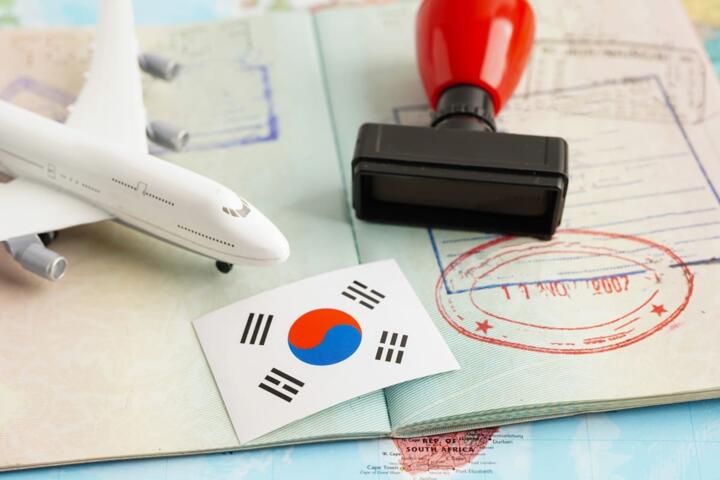
Arrival Process And Customs
South Korea’s entry process combines immigration checks with customs controls. At the airport, you typically move from passport control to baggage collection, then to a customs area where officers may inspect items or ask questions. The exact flow varies by airport and by whether you arrive on a visa-exempt trip or with a pre-arranged visa, but the underlying steps stay consistent.
Immigration officers focus on identity, travel purpose, and length of stay. Customs officers focus on goods you bring in, including items that may be prohibited, restricted, or require documentation. If you declare something incorrectly, the issue usually shows up at the customs stage, not at immigration.
For practical context, imagine you land with a checked suitcase containing prescription medication and a small amount of packaged snacks. Immigration may pass you quickly, but customs can still ask for proof of medication authorization or may restrict certain food categories. That separation of responsibilities is why travelers should prepare for both stages, not just passport control.
Main Problems And Pain Points
Many travelers get tripped up by assuming customs rules match what they already know from other countries. South Korea’s restrictions can differ by product type, quantity, and whether the item is for personal use. A second common issue is misunderstanding how declarations work, especially when you bring items that are legal in your home country but restricted on arrival.
Medication is a frequent source of confusion. Some prescription drugs are controlled, and some require documentation such as a doctor’s letter or a prescription copy. Even when a medicine is allowed, officers may question the quantity if it looks more like commercial import than personal use. If you carry medication without a label or in unlabeled containers, the inspection becomes harder.
Food and plant products also cause problems. Packaged snacks can still be restricted depending on ingredients and whether they fall under animal product, fresh produce, or other regulated categories. Electronics can trigger questions too, mainly when items appear to be for resale or when serial numbers and purchase documentation are missing. People sometimes pack gifts in a way that makes them look like inventory, which is where the conversation turns from “personal items” to “goods.”
Customs decisions depend on supporting systems such as risk profiling, document checks, and sometimes scanning of baggage. Officers may use X-ray screening and compare what you declare with what appears in your luggage. That means the outcome can vary even for travelers with similar itineraries, especially when one person has clear documentation and another does not.
Solutions And Advice
Prepare Documents Before You Land
Bring a passport, entry authorization documents, and any paperwork that supports restricted items. For prescription medication, keep the original pharmacy label and carry a copy of the prescription or a doctor’s letter. If you travel with a device that includes regulated components, keep the purchase receipt and model details. A small aside: I’ve seen travelers print a doctor’s letter on a phone screenshot, and that format often fails to satisfy officers who want readable dates and names.
For cash and valuables, check the current declaration requirements before travel. If you carry more than the threshold that triggers a declaration, declare it through the proper channel. If you do not know the threshold, you can still prepare by checking the latest guidance from South Korea’s customs authority or your airline’s entry notes.
Use Declarations Consistently
Complete declarations accurately and match them to what you actually carry. If you declare medication, list it in a way that matches the label on the package. If you declare goods, describe them in plain terms and avoid vague wording like “gifts” when the quantity suggests otherwise. In practice, officers may ask follow-up questions when the declaration and the contents do not align.
Keep packaging intact for items that are commonly inspected, such as food products and supplements. Opened containers can look suspicious because the contents are harder to verify. A mild frustration many travelers experience: customs forms can be short, so people try to compress details and end up giving officers less usable information.
Pack With Inspection In Mind
Organize your bag so you can show items quickly. Put medication in an accessible pocket or the top of your carry-on, not buried under clothes. Keep electronics together with chargers and cables so officers can identify what they are. If you bring multiple similar items, separate them into “personal use” and “other,” then be ready to explain the difference.
For food, follow the most conservative approach: bring only sealed, commercially packaged items that match what you can document. Avoid bringing fresh produce, meat, or dairy unless you have confirmed it is permitted for personal import. If you are unsure, leaving items at home often costs less than the time spent at inspection.
Plan for Possible Delays
Customs inspections can add time, especially during peak arrival hours. Build buffer time into your airport-to-city plan so you are not forced to rush through transport connections. If you are traveling with controlled items, expect that officers may ask for additional documentation. Having documents in a single folder reduces the chance you will scramble at the counter.
As a practical tool, many travelers use a checklist in a notes app and update it before departure. A small aside: I’ve seen people forget to save the offline version of their prescription photo, then the phone battery dies mid-queue. Offline copies of key documents prevent that kind of avoidable problem.
Case Examples
Scenario 1: Prescription medication in original packaging. A traveler arrives with a one-month supply of labeled prescription tablets in the carry-on. They also carry a doctor’s letter that includes the generic name, dosage, and the traveler’s name. At customs, the officer asks about the quantity; the traveler shows the labeled packages and the letter. The inspection ends after verification because the items look consistent with personal use.
Scenario 2: Multiple supplement bottles and opened snacks. Another traveler brings several bottles of supplements and a mix of opened packaged snacks. The declaration form lists “snacks,” but the quantity and variety suggest more than personal use. The officer requests to review the items; opened containers slow identification, and the traveler cannot provide documentation for the supplements. The traveler is asked to remove or surrender items that cannot be verified for import.
Comparison Table And Checklist
| Item Category | What Triggers Questions | What to Bring | Practical Risk Level |
|---|---|---|---|
| Prescription medication | Unlabeled containers, high quantity, controlled-drug concerns | Original pharmacy label, prescription copy, doctor letter | Medium to high |
| Food and snacks | Fresh produce, animal products, opened containers | Sealed commercial packaging, ingredient list | Low to medium |
| Electronics | Multiple identical units, missing receipts | Receipts, model/serial details, personal-use explanation | Low to medium |
| Cash and valuables | Exceeding declaration threshold | Declaration form, supporting documents if requested | Medium |
Step-by-step checklist for arrival day:
- Confirm your visa status and planned length of stay before you travel so you can answer immigration questions consistently.
- Pack medication in original labeled containers and keep a doctor letter or prescription copy in your carry-on.
- Keep food sealed and commercially packaged; avoid fresh produce and animal products unless you have verified permission.
- Prepare receipts or model details for electronics if you bring multiple units.
- Complete customs declarations accurately and match them to what you can show quickly.
- Arrive with time buffer for possible secondary inspection, especially at busy arrival times.
Common Mistakes
One frequent mistake is carrying medication in a pill organizer without labels. Even if the medicine is legal, officers may not be able to verify identity and dosage quickly. Another mistake is declaring “gifts” while bringing quantities that resemble resale stock. That mismatch can shift the conversation toward goods rather than personal items.
Travelers also underestimate food rules. People often assume that sealed snacks are always acceptable, then discover restrictions apply to certain ingredients or categories. Opened containers create extra work for inspection because the contents cannot be verified from packaging.
Some travelers rely on outdated guidance from forums or older travel blogs. Customs rules can change, and enforcement practices can vary by airport. A practical way to reduce uncertainty is to check the latest guidance from official South Korean customs sources or your airline’s entry instructions close to your departure date. If you travel on a specific date, such as 2026-09-15, the guidance you read a month earlier may not match the current rules.
FAQ
Do I Need To Declare Cash?
South Korea requires declarations when cash or certain monetary instruments exceed the current threshold. Check the latest threshold before departure and declare through the designated customs channel on arrival.
Can I Bring Prescription Medicine?
Prescription medicine can be brought for personal use, but controlled drugs and quantity limits may require documentation. Keep original labeled packaging and carry a prescription copy or doctor letter.
Are Sealed Snacks Allowed?
Some packaged snacks are permitted, but restrictions can apply based on ingredients and product category. Avoid fresh produce and animal products unless you confirm permission for personal import.
Will Electronics Be Inspected?
Electronics may be inspected if quantities look unusual or if documentation is missing. Keep receipts and be ready to explain personal use if asked.
What Happens If I Miss A Declaration?
If you fail to declare an item and it is discovered during customs inspection, officers may detain the item, require surrender, or impose penalties depending on the category. Accurate declarations and accessible documentation reduce this risk.
Author's Insight
South Korea’s arrival process separates immigration identity checks from customs controls on goods. That structure explains why travelers can pass passport control and still face questions later. The most reliable approach is to treat customs as a documentation-and-quantity problem: labels, receipts, and reasonable personal-use amounts reduce uncertainty. When rules are unclear, the safest choice is to avoid bringing the item rather than relying on memory or older advice.
For readers planning a trip, the best next step is to verify the latest customs and medication guidance shortly before departure and to pack so you can show key documents quickly. If you travel with controlled medicines or multiple similar items, plan extra time for potential secondary inspection.
Key Takeaways
- Prepare for both immigration and customs; they handle different questions.
- Use original labels and carry documentation for prescription medication.
- Keep food sealed and avoid fresh produce or animal products unless you confirm permission.
- Match customs declarations to what you carry, and pack items so you can show them fast.
- Build time buffer for inspections and verify rules close to your travel date.