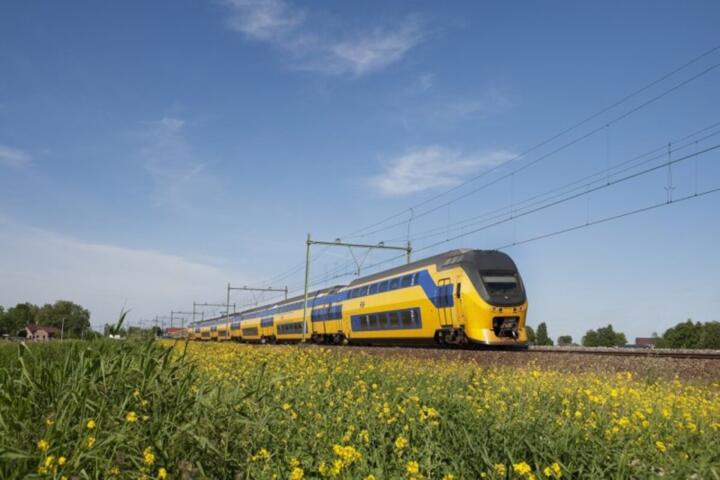
Schiphol Train Vs Taxi
Amsterdam Schiphol connects to the city by train and by road transport, and the total cost depends on more than the headline fare. Train pricing is usually transparent and time-independent, while taxi pricing depends on route, time of day, and the meter rules used by the operator. If you travel with luggage, the “cheapest” option can also change because of walking distances, transfers, and late-night service patterns.
For a concrete example, a traveler going to Amsterdam Centraal typically pays a fixed train fare for a single journey, then walks or takes a short onward connection. A taxi quote can look higher on paper, yet the taxi may reduce walking and transfers, especially when you land with multiple bags or arrive during hours when public transport frequency drops. The cost comparison becomes a question of total trip time and friction, not only the fare line item.
Common Cost Misreads
People often compare a train ticket price to a taxi “starting fare” without adding the taxi meter portion, waiting time, or toll-related charges. Taxi pricing in Amsterdam is regulated through fare components and the meter, but the final amount still varies with distance and time. Another frequent mistake is assuming the train is always the fastest; Schiphol trains stop at different stations, and some routes require a transfer depending on your destination.
Train costs also get misread when travelers ignore station-to-hotel walking time. Amsterdam Centraal to many hotels is walkable, but some neighborhoods require tram or metro connections, and those add a separate fare. If you buy tickets at the wrong time window or use the wrong ticket type, you can end up paying more than the simplest single-journey option.
Both modes depend on supporting systems. Train pricing relies on the Dutch rail fare structure and the ticket channel you use (station ticket machines, app, or online). Taxi pricing relies on the operator’s dispatch practices, meter settings, and how the pickup point is handled at Schiphol. At Schiphol, pickup zones and pedestrian routing matter; a wrong pickup can add minutes that show up on the meter.
How To Estimate Total Cost
Use Train Fare Plus Transfers
Start with the single-journey train fare from Schiphol to your closest station, then add onward public transport if your hotel is not near that station. For many travelers, Schiphol to Amsterdam Centraal is the most common pairing, but destinations like Museumplein, Zuid, or specific business districts may require tram or metro. If you plan to use a transit card or single-use tickets, check the fare rules for that product before you travel; the “right” choice changes with how many rides you expect.
A practical method: write down your hotel’s nearest station, then check whether you can reach it with one train plus one tram/metro ride. If you need two onward rides, the train option can still be cheaper, but the gap narrows because you add extra tickets and time. On a personal aside, I’ve seen travelers arrive on a Sunday and assume trams run as frequently as weekdays; the schedule pattern matters for how long you wait after the train.
Model Taxi Meter Components
Taxi totals depend on the meter reading, which reflects both distance and time. Add potential waiting time if your flight lands late and you spend time at the taxi queue. Schiphol also has specific pickup logistics; if you walk farther than expected to reach the correct taxi stand, the meter can reflect that extra time.
To estimate, use a taxi fare calculator if your operator or local taxi service provides one, then cross-check with a recent receipt from another traveler for the same route and time band. Prices can differ between peak and off-peak periods, and some operators may apply fixed fees for certain services. If you are traveling with more than one large suitcase, confirm whether the taxi type you book can handle the luggage without forcing a second vehicle.
On a mild frustration note: taxi apps sometimes show a “from” price that looks stable, then the final total changes after the route is selected. That route selection can vary with road works and traffic patterns, so treat any estimate as a range.
Account For Time And Luggage
Cost comparisons change when you include time friction. If you arrive with four bags and two people, the train can still be economical, but you may spend more time navigating stairs, elevators, and platform changes. Amsterdam’s station layouts vary; some connections are easy, others require longer walks.
For a realistic outcome, many travelers find the train cheaper for solo trips or couples with one carry-on each. For families or groups with multiple suitcases, the taxi can narrow the gap because it replaces several short segments (walk to station, wait for train, transfer, walk to hotel). The taxi may not always be cheaper, but it often reduces the number of steps where delays can stack.
If you want a quick planning rule: count the number of “handoffs” in your plan. A plan with train plus two transit rides plus a walk has more handoffs than a taxi direct ride, and each handoff adds a small probability of delay.
Check Timing And Ticket Rules
Train frequency at Schiphol is high, yet the exact departure you catch affects total travel time and sometimes the number of onward connections you need. If you land during a period with fewer onward tram or metro departures, the train can become less attractive even if the fare stays the same.
Ticket rules also matter for cost. Some travelers buy tickets on the day of travel without checking whether their ticket type covers the full route they intend to take. In the Netherlands, ticketing can be strict about validity windows and route coverage depending on the product you choose. I’ve also noticed that travelers using a phone wallet ticket sometimes lose time at the gate because the app needs a moment to load the QR code.
Educational Case Examples
Scenario 1 (Solo traveler, hotel near Centraal): A traveler lands at Schiphol at 10:30 and stays near Amsterdam Centraal. They buy a single train ticket to Centraal, walk to the hotel, and do not add onward transit. The train cost stays predictable, and the taxi option mainly competes on convenience. In this scenario, the train usually wins on cost because there are no extra transit tickets and no meter-based time component.
Scenario 2 (Family with luggage, hotel near Zuid): A family of four arrives with four large suitcases and a stroller. Their hotel is near Amsterdam Zuid, not Centraal. They can take the train to Zuid and then use a short tram ride, but the connection requires stairs and a longer walk with luggage. A taxi direct ride reduces the number of segments. The taxi can become competitive because the family avoids multiple ticket purchases and reduces time spent moving luggage through stations.
Train Vs Taxi Cost Checklist
| Decision Factor | Train Usually Fits | Taxi Usually Fits | What To Check |
|---|---|---|---|
| Base fare predictability | Single-journey train fare | Meter total varies by time and route | Ticket type and whether you need onward rides |
| Onward connections | Hotel near a station | Hotel far from stations or hard transfers | Nearest station and number of transit segments |
| Luggage handling | Carry-on or one suitcase | Multiple suitcases, stroller, group travel | Elevator availability and walking distance |
| Time-of-day effects | Frequent departures reduce waiting | Traffic can raise meter time | Your arrival time and expected road congestion |
| Queue and waiting | Minimal waiting if you catch a nearby departure | Taxi stand lines can add minutes | How long you might wait after landing |
Step-by-step checklist:
- Write your hotel address and identify the closest station.
- Estimate train cost: single-journey fare to that station plus any tram/metro rides you need.
- Estimate taxi cost: use a recent fare estimate for Schiphol to your hotel area and add a buffer for waiting time.
- Count luggage segments: stairs, platform changes, and walking distance from the station to the hotel.
- Compare total trip friction, not only the fare line item.
Common Mistakes To Avoid
Buying a train ticket to the wrong station is a common error. Amsterdam has multiple major stations, and a ticket to the “main” station can still require extra transit rides that add cost. Another mistake is assuming a taxi pickup is always at the closest curb; Schiphol’s pickup routing can require walking to the correct stand.
Travelers also underestimate how luggage changes the plan. A route that works well with a backpack can become slow with multiple suitcases, especially if elevators are out of service. I once watched a group lose time because they followed signs for the wrong exit and had to backtrack with heavy bags, which turned a short walk into a longer one.
Finally, avoid comparing prices without checking what is included. A taxi total may include waiting time, while a train plan may exclude the cost of onward transit. If you compare only the first leg, the comparison becomes misleading.
FAQ
How much does the train cost?
Train pricing from Schiphol to Amsterdam stations follows Dutch rail fare rules and varies by ticket type and route. Check the current fare on the official NS site or at the station before travel, then add any tram/metro rides to reach your hotel.
Do taxis have fixed prices?
Taxi totals in Amsterdam typically depend on the meter, which reflects time and distance. Some services may quote an estimate, but the final amount can change with traffic, route choice, and waiting time at Schiphol.
Which option is faster?
Trains often provide predictable departure times, but total time depends on your hotel’s distance from the station and any onward transit. Taxi time varies with road traffic and pickup queue length at Schiphol.
What about late-night arrivals?
Late-night public transport can run less frequently, which increases waiting time after the train. Taxis may reduce transfer friction, but traffic and queueing can raise the meter total.
How do I reduce surprises?
Plan the full route for both options: train fare plus onward transit, and taxi estimate plus a buffer for waiting. Confirm the correct station for your hotel and the correct taxi pickup stand at Schiphol.
Author's Insight
Cost comparisons between Schiphol train and taxi work best when you model the whole trip, not just the first segment. Train fares tend to be more predictable, while taxi totals vary with time, distance, and pickup logistics. Travelers with multiple suitcases often experience higher “hidden costs” with public transport due to walking and transfer friction.
For planning, use a station-to-hotel approach: identify the nearest station, then count onward rides and walking. For taxis, treat online estimates as ranges and add a buffer for waiting time at the airport. If you want a practical reference point, check the NS journey planner and a taxi fare estimate on the same day you travel; small schedule and route changes can affect the outcome.
Key Takeaways
- Compare total trip cost: train fare plus onward transit versus taxi meter total plus waiting time.
- Hotel location drives the outcome; a “cheap” train can become expensive after extra tram/metro rides.
- Luggage changes the math by increasing walking and transfer friction.
- Arrival time affects both options: public transport frequency and road traffic both shift the final experience.