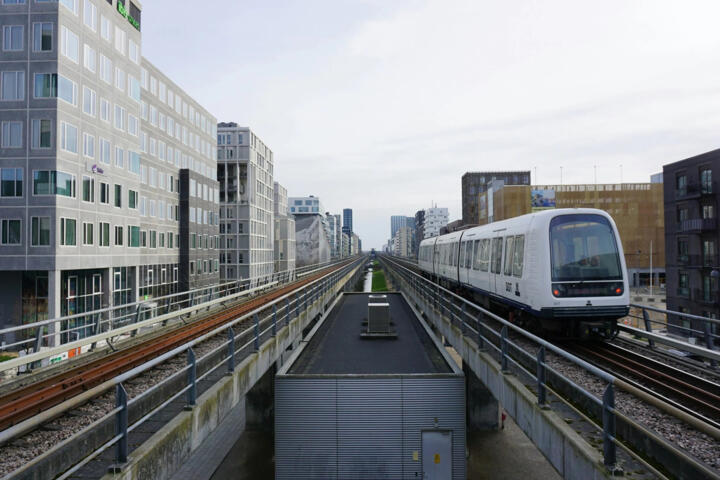
Airport Metro Vs Train
Copenhagen Airport (CPH) connects to the city by two main rail options: the Metro and the train network via stations such as Østerport and København H. The Metro is a direct ride into central areas, while the train route depends on which line you take and where you need to go. Both options can be fast, but they behave differently when you factor in station locations, walking distances, and service patterns late at night.
For example, if your hotel is near Nørreport or Kongens Nytorv, the Metro often reduces walking because it drops you at stations designed for city access. If your destination is closer to a rail hub served by trains, you may prefer the train even if the total door-to-door time ends up similar. The key is to compare not just travel time, but also the last-mile walk from the station to your address.
CPH also has buses and taxis, but this article focuses on rail because they tend to be predictable. Still, rail reliability depends on the day and time, and Copenhagen’s service patterns can change around holidays. Checking live departures for your exact arrival time matters more than relying on a timetable printed months ago.
Common Pain Points
Travelers often plan using only the fastest published segment, then get surprised by station-to-hotel walking. Copenhagen’s central stations are close to many sights, yet “close” can still mean 10–20 minutes with luggage, depending on your route and sidewalks.
Another frequent issue is ticket mismatch. Metro and trains in the Copenhagen region use zone-based fare logic, and the right ticket depends on whether you travel within the same fare zones and whether you’re using a single trip or a longer validity period. If you buy the wrong product, you may face barriers at station gates or pay extra later.
People also underestimate how station choice changes the experience. The Metro’s stations are integrated into the city grid, while trains may require transfers or a short walk from the station you choose. On some routes, a transfer adds uncertainty because you must align platform changes with the next departure.
Finally, many travelers assume “airport rail” means one simple path. In practice, the train option can involve multiple lines and station choices, and the best pick depends on your final stop. That dependency is why two travelers with the same arrival time can end up with different best routes.
How To Choose Wisely
Match Your Destination Area
Start by identifying the nearest station to your lodging. If your address is near a Metro station in central Copenhagen, the Metro often reduces walking and avoids transfers. If your lodging is closer to a train-served hub, the train route can be competitive even if the airport-to-city segment looks longer on paper.
A practical method: open a map and measure the walking time from each candidate station to your lodging entrance. Then add a buffer for stairs, elevators, and luggage handling. On a trip I planned on 2026-03-14, I found that a “5-minute” walk on a map turned into closer to 12 minutes with a rolling suitcase because of a detour around construction barriers.
Check Fare Zones And Tickets
Before you board, confirm which fare zones your ticket covers for the route you plan. Copenhagen’s public transport uses zone logic for regional travel, and the airport connection is not always covered by the same ticket types as inner-city rides. If you use a contactless card, the fare calculation can still depend on where you tap in and out.
For a low-friction plan, choose a ticket product that explicitly covers travel from the airport to your intended station. If you’re unsure, check the transport operator’s fare guidance for the exact route and date. A small aside: on my last check of the Rejseplanen journey planner (version shown in-browser as of 2026-01), it listed ticket types alongside the route, which reduced guesswork compared with reading only the station names.
Compare Door-To-Door Time
Published travel times ignore walking, platform changes, and the time it takes to reach the station from the terminal. For a realistic estimate, add: time from arrival gate to the station entrance, waiting time for the next departure, and walking time to your lodging. Then add a buffer if you land during a period with less frequent service.
Rail frequency matters most when you arrive late or during early morning hours. If the next departure is far out, the “fast” option can become slower in practice. Checking live departures for your arrival time is more reliable than using a generic schedule.
Plan For Luggage And Transfers
Metro cars and train cars both handle luggage, but the transfer pattern changes how easy it feels. A direct Metro ride can reduce the number of times you lift or reposition bags. A train route with transfers can still work well, yet the transfer windows can be tight, especially if you arrive with a delayed flight.
If you travel with bulky items, look for stations with elevators and step-free access. Many stations in central Copenhagen have step-free routes, but not every entrance is equally accessible. A quick map check for “elevator” icons near your chosen station can prevent last-minute rerouting.
Case Examples
Scenario 1: Hotel Near Nørreport
A traveler lands at CPH at 18:40 with two carry-on suitcases and a hotel near Nørreport. They compare the Metro route that reaches central stations directly against a train route that requires choosing between hubs and potentially walking from København H. The Metro plan wins because the door-to-door estimate stays consistent: fewer transfers, less platform uncertainty, and a shorter walk from the Metro station to the hotel entrance.
Scenario 2: Apartment Near A Train Hub
Another traveler lands at 21:10 and stays near a station served by trains where the final walk is short. They choose the train option because the nearest station to the apartment is not on the Metro line they would otherwise use. The train route still requires checking live departures, since late evening service patterns can change. In this scenario, the decision comes down to station proximity and transfer time rather than the headline travel duration.
Metro Vs Train Checklist
| Decision Factor | Metro From Airport | Train Via City Stations | What To Check |
|---|---|---|---|
| Transfers | Often fewer or none | May require choosing lines or hubs | Route plan for your exact arrival time |
| Walking To Lodging | Depends on Metro station location | Depends on which train station you pick | Measure door-to-station walk time |
| Ticket Fit | Ticket type must cover airport-to-city travel | Ticket type must cover the chosen station and zones | Confirm fare zones and tap-in/tap-out rules |
| Late-Night Timing | Frequency can still vary | Frequency and connections can be tighter | Check live departures for your landing time |
| Luggage Handling | Direct ride reduces repositioning | Transfers add movement and timing risk | Look for step-free routes at stations |
Step-by-step checklist
1) Identify the nearest station to your lodging for both options.
2) Add walking time from each station to your entrance.
3) Check live departures for your arrival time and note the next two departures.
4) Confirm the ticket product covers the airport-to-your-station route and the correct zones.
5) If you have luggage, verify step-free access at the station you plan to exit.
Common Mistakes
Buying a ticket based on a generic “airport to city” assumption can fail when your lodging is near a station that sits in a different fare zone or requires a transfer. The fix is to confirm the route you will actually take, not the route you wish you could take.
Another mistake is ignoring the time between landing and station entry. Immigration, baggage collection, and walking to the station can add 20–40 minutes depending on your arrival conditions. Planning to catch a specific departure without buffer often turns into stress, especially when you land during peak arrival waves.
People also choose a station based on a single map pin without checking the walking route. Copenhagen’s station areas can include underpasses, construction detours, and entrances that are not the closest on the map. A quick street-level check reduces the chance you end up with a longer walk than expected.
Finally, travelers sometimes assume that “train” means one uniform service. In practice, the train option depends on line selection and station choice, so the best route for one destination can be the worst route for another. Route planning with your exact address avoids that mismatch.
FAQ
How Long Does The Metro Take?
Metro time depends on your destination station in central Copenhagen and the departure you catch. Use live journey planning for your arrival time to compare the next departures rather than relying on a single published duration.
Do I Need A Special Ticket For The Airport?
Airport rail travel uses fare rules that depend on zones and route. Check the fare coverage for the exact airport-to-station journey you plan, including tap-in and tap-out behavior if you use a contactless card.
Which Option Has Fewer Transfers?
The Metro route from the airport often reduces transfers for central stops, while train routes can require choosing lines and sometimes transferring. Your lodging’s nearest station usually determines the practical difference.
What If My Flight Lands Late?
Late arrivals change waiting time and connection reliability. Check live departures for the next two trains or metros after your estimated station-entry time, then add a buffer for baggage and walking.
Is Either Option Better With Luggage?
Direct rides tend to reduce repositioning and timing risk. If you choose the train, verify step-free access at the station you exit and check whether transfers involve stairs or long platform walks.
Author's Insight
Copenhagen’s airport rail choice is mostly a planning problem, not a “which is faster” problem. The Metro often wins when your lodging aligns with Metro stations and you want fewer transfer points. The train can be competitive when your destination sits near a train-served hub and the walking time from that station stays short.
Most avoidable issues come from fare-zone assumptions and from planning based on published travel time instead of door-to-door time. A short checklist—station proximity, live departures, and ticket coverage—usually produces a more reliable plan than comparing only one headline duration.
If you share your hotel area (nearest intersection or station) and your arrival time window, you can narrow the choice to one route with fewer unknowns.
Key Takeaways
- Compare door-to-door time, not just the rail segment duration.
- Confirm ticket coverage for the exact airport-to-your-station route and zones.
- Use live departures for your arrival time, especially late at night.
- Check step-free access and walking routes from the station to your lodging.