EES, ETIAS, And 90/180
Europe’s short-stay rules now involve three moving parts: the 90/180 day limit, ETIAS travel authorization for visa-exempt travelers, and the Entry/Exit System (EES) that records entry and exit dates. The 90/180 rule limits how long you can stay in the Schengen area during a rolling period. ETIAS is a pre-travel check that happens before you board a flight or arrive at a border. EES is the border system that logs your entries and exits so authorities can verify your time in the Schengen area.
These systems are linked by purpose, not by a single form. You still travel with a passport that is valid for the required period, you still follow the 90/180 limit, and you still carry proof of travel plans when asked. The difference is that border checks increasingly rely on automated records rather than manual stamping. On a first trip, that shift can feel confusing because your “time in Europe” is measured by system records, not by how many days you planned on paper.
Example: if you enter the Schengen area on 10 March and leave on 20 March, EES records those dates. If you later return on 5 May, the 90/180 calculation looks back over the previous 180 days to determine whether you exceed the limit. ETIAS, when required for your nationality, is checked before travel so you can be refused boarding if authorization is missing or invalid.
Two practical details that often matter: (1) the Schengen area is not the same as the European Union, and (2) “short stay” is not the same as “tourism only.” Short stays cover many activities like visiting family, business meetings, or tourism, as long as you do not work under a Schengen short-stay status.
Common Mistakes And Dependencies
People often treat EES, ETIAS, and the 90/180 rule as separate topics. In practice, they interact through your travel dates and your passport identity. If your passport number changes between trips, or if you travel with a different passport than the one you used for ETIAS, the systems may not match your records the way you expect. That mismatch can lead to extra checks at the border, and it can also complicate how your time is counted.
A second mistake is counting days incorrectly. The 90/180 rule uses a rolling 180-day window, not a calendar month. Many travelers count “days in the country” rather than “days in the Schengen area,” and they forget that arrival and departure days can both count as days of presence. If you cross into Schengen from a non-Schengen country, your entry date into Schengen is what matters for the calculation.
A third pain point is assuming ETIAS is a visa. ETIAS is a travel authorization for short stays, not a work permit. If your itinerary includes activities that require a different status, ETIAS does not change that requirement. Also, ETIAS decisions depend on the information you submit; errors in names, document numbers, or travel details can trigger delays or a need for correction.
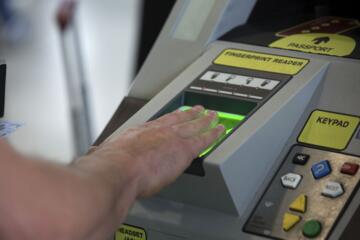
Finally, travelers underestimate the operational side. EES depends on border procedures that may include biometric capture. If you arrive with damaged documents, unclear identity pages, or a passport that does not meet validity requirements, the border process can slow down. Border staff can also ask for supporting documents such as proof of accommodation and onward travel, even when the systems are automated.
What To Do Before You Go
Check Your Eligibility And Dates
Start by confirming whether your nationality requires ETIAS for the planned travel period. Then map your itinerary against the 90/180 rule using a rolling calculation. A practical approach is to list each planned entry into the Schengen area and each planned exit date, then check the total days within the previous 180 days at each entry point. If you have a multi-stop trip, count the days you will be physically present in Schengen, not the days you planned to be there.
For a quick sanity check, use an official or reputable calculator that applies the rolling 180-day method. If you see a result that conflicts with your own count, re-check your entry and exit dates first. I’ve seen travelers misread “departure day” rules and end up with an extra day they did not account for, which is the kind of mistake that can trigger refusal at the border.
Prepare Documents For EES
Make sure your passport is in good condition and matches the identity details you will use for travel. EES records entry and exit events tied to your passport and identity checks. If you plan to renew your passport close to departure, do it early enough that your ETIAS application (if required) and your travel tickets align with the final passport number.
At the border, expect that the process may involve biometric capture and that you may need to follow instructions from staff even if you used an automated lane. If your passport has unreadable machine-readable zones or the data page is damaged, the system may not read it cleanly. In that case, you can lose time and still be processed manually, which is frustrating when you have a tight connection.
Apply For ETIAS When Needed
If ETIAS applies to your nationality, submit the application before travel. Provide accurate personal details, passport information, and travel plans. Use the same passport you will carry on the trip, and double-check that the passport number and expiration date match exactly. Many applications fail or get delayed due to simple data entry errors, and the correction process can take time.
As a practical aside, I’ve noticed that people often copy names from tickets that include middle names or hyphens differently than the passport. That mismatch can matter because ETIAS relies on identity fields. If your passport uses diacritics, enter them consistently with the passport data page.
Plan For Border Questions
Even with EES and ETIAS, border officers can ask for supporting documents. Prepare proof of accommodation for the first nights, an onward or return plan, and a realistic travel itinerary. For short stays, you generally should not present documents that suggest employment or long-term residence.
If you travel for business meetings, carry a letter from the host organization or meeting agenda when possible. If you visit family, keep an address and contact details. If you travel by car, have route and parking plans ready. Border staff decisions depend on the total picture, and missing documents can lead to additional screening.
Educational Case Examples
Scenario 1: A traveler from a visa-exempt country enters Schengen on 3 January, leaves on 12 January, then re-enters on 20 March and leaves on 25 March. They count only the days in January and March separately, then discover they exceeded the 90/180 limit because the March trip overlaps with the previous 180-day window. After recalculating with a rolling method, they adjust the itinerary by shortening the March stay by two days.
Scenario 2: A traveler applies for ETIAS using a passport number that later changes due to renewal. They board the flight with the new passport but have ETIAS authorization tied to the old one. At the border, they face extra checks because the identity record does not match the passport presented. They resolve it by aligning documents before travel and reapplying when required, which avoids repeated delays on subsequent trips.
90/180 Vs EES Vs ETIAS
| System | What It Does | What You Must Do | Common Failure Point |
|---|---|---|---|
| 90/180 Rule | Limits total days in Schengen during a rolling 180-day period. | Track entry/exit dates and keep total within 90 days. | Miscounting rolling windows or confusing Schengen with EU. |
| ETIAS | Pre-travel authorization check for eligible visa-exempt travelers. | Apply before travel and match passport details exactly. | Entering passport data incorrectly or using a different passport at the border. |
| EES | Records entry and exit events to support time-in-Schengen checks. | Arrive with a readable passport and follow border instructions. | Passport damage or identity-page issues that slow processing. |
Common Mistakes To Avoid
Do not rely on a single “days remaining” number from memory. The rolling 180-day method changes each day you travel, so a number you computed weeks ago can become outdated. If your trip includes extensions, re-check the calculation after you change dates.
Avoid submitting ETIAS with inconsistent identity details. Name order, spelling, and passport number formatting can matter, and a small typo can trigger a request for additional review. If you notice an error after submission, correct it through the official process rather than assuming the border will fix it.
Do not assume that a Schengen entry stamp disappears from your record. EES is designed to record entry and exit events even when stamps are not used in the same way as before. If you travel frequently, keep your own timeline anyway; it helps you verify your calculations when you plan the next trip.
Finally, avoid mixing travel purposes. If your plan includes work-like activities, training with employment-like duties, or long-term stays, ETIAS and the 90/180 rule do not convert those activities into short-stay permission. In those cases, you need the correct visa or residence status.
FAQ
Do I still need to follow 90/180 with EES?
Yes. EES records entry and exit events so authorities can verify the 90/180 limit, but it does not change the underlying rule for short stays.
Will ETIAS replace my passport or visa?
No. ETIAS is an authorization for eligible short stays; you still travel with your passport, and you still need the correct visa or residence status for activities that fall outside short-stay rules.
What happens if my ETIAS application has a typo?
Border and airline checks depend on the authorization linked to your identity details. If the data does not match your passport, you may face delays or be refused boarding, so correct the application through the official process.
How do I count days for the 90/180 rule?
Use a rolling 180-day window and count the days you are present in the Schengen area. Arrival and departure days can count as days of presence, so confirm counting rules with a reliable calculator.
Does EES affect all Schengen borders immediately?
EES rollout can vary by location and timing. Check official EU and border authority guidance for the specific entry point and travel date, since procedures may differ during transition periods.
Author's Insight
EES and ETIAS reduce reliance on manual border stamping, but they do not remove the traveler’s responsibility to stay within the 90/180 limit. The most practical way to avoid problems is to treat your passport as the “key” that ties all checks together and to keep a written timeline of your Schengen presence. When people get stuck, it usually comes from mismatched documents, incorrect rolling-day calculations, or unclear travel purpose. If you want a low-stress first trip, build your plan around dates first, then match ETIAS and border expectations to that plan.
Key Takeaways
- ETIAS (when required) is a pre-travel authorization; it does not replace visas for work or long stays.
- EES records entry and exit events to support enforcement of the 90/180 rule.
- The 90/180 limit uses a rolling 180-day window, so recalculate if you change dates.
- Keep passport identity details consistent across ETIAS, tickets, and the passport you carry.
- Carry basic supporting documents for your short stay, since border questions can still happen.