Spain October Coastal Weather
October weather along Spain’s coasts shifts from summer heat toward cooler, more changeable conditions. Sea temperatures remain relatively warm compared with air temperatures, so mornings can feel mild while afternoons may still support outdoor plans. The main differences come from ocean currents, prevailing winds, and how exposed each coast is to Atlantic weather systems. Coastal fog and low cloud are more likely on the north and northwest, while the Mediterranean coast more often sees bright intervals mixed with occasional showers.
For planning, treat “coastal” as several climates rather than one. A beach day in Málaga can feel different from a coastal walk in San Sebastián even when both are “October.” If you’re moving between regions, build in buffer time for weather that changes within a day, especially near the water where wind chill can appear quickly after sunset.
Main Weather Pitfalls
People often plan using a single average temperature for “Spain in October,” then get surprised by wind, humidity, and rain timing. A forecast that shows a comfortable high can still come with a cold breeze that makes evenings feel cooler than expected. Another common mistake is assuming the Mediterranean coast stays dry throughout the month; rainfall can be intermittent, and storms can pass quickly.
Coastal microclimates also matter. The Atlantic-facing north and northwest can experience more frequent cloud cover and fog, which reduces solar warmth even when the air temperature looks reasonable. On the Mediterranean side, sea breezes can bring relief from heat, but they also change how quickly you cool down after sunset. Local geography plays a role too: bays and sheltered coves often feel calmer than open stretches.
Supporting factors include sea-surface temperature, wind direction, and the track of low-pressure systems. When a low-pressure system approaches from the Atlantic, the north and west tend to see more cloud and showers. When winds shift and moisture is pulled inland from the sea, the Mediterranean coast can get brief downpours that disrupt outdoor schedules for a few hours, then clear.
How To Plan Your Trip
Pack for wind and evenings
Bring layers rather than one heavy item. A light sweater or fleece plus a wind-resistant outer layer works well for coastal walks, particularly if you plan to be outside after dinner. In the north, fog and low cloud can make the air feel damp even on days that are not rainy. If you’re traveling with a small daypack, a compact umbrella can help for short showers, though it won’t protect well in strong wind.
As a practical aside, I often see travelers rely on a single “October jacket” and then regret it when the wind picks up along exposed promenades. If your itinerary includes both Atlantic and Mediterranean coasts, plan for two different comfort levels: one for breezy, cooler evenings, and one for warmer afternoons.
Use forecasts with hourly detail
For coastal travel, hourly forecasts and precipitation probability are more useful than daily averages. Look for timing: a 20–40% chance of rain can still mean a short shower at a specific hour, which affects museum visits versus beach time. Check wind speed and gusts, not just temperature, because gusts change how warm you feel. If you see “rain” listed but wind is high, expect heavier bursts rather than a steady drizzle.
Many travelers use apps that show “feels like” temperature; that metric often reflects wind and humidity, which is closer to how you’ll experience coastal weather. On my own planning screen, I check the hourly timeline first, then confirm with a second source when the forecast changes between updates (for example, around 06:00 local time).
Match activities to sea conditions
Sea temperature in October is often still warm enough for some swimming, but it varies by region and by how quickly the month cools. Even when the water is swimmable, wind can make getting out of the sea uncomfortable. If your priority is beach time, schedule it earlier in the day and plan a backup indoor activity for late afternoon.
For coastal hiking, fog matters. In the north and northwest, low cloud can reduce visibility and make trails slick. If you’re walking near cliffs or exposed paths, bring footwear with good grip and avoid steep routes when visibility drops.
Plan for rain timing, not totals
October rainfall patterns in Spain’s coastal regions often come in bursts rather than uniform wet days. That means you can still enjoy outdoor plans if you shift them by a few hours. A realistic approach is to schedule flexible activities during the hours when rain probability peaks, then move walking and beach time to the clearer window.
For example, if the forecast shows showers around mid-afternoon, keep your longer outdoor route for the morning and reserve the afternoon for a café, market, or indoor attraction. This approach reduces the “all-or-nothing” feeling that happens when plans depend on a single weather outcome.
Coastal Region Examples
Example 1: Atlantic North (San Sebastián area). A traveler arrives on a day with a mild daytime high but a breezy forecast. Morning starts with low cloud and damp air; by late morning, the sky clears enough for a promenade walk. Afternoon brings a short shower that lasts under an hour, then breaks. The traveler switches from beach plans to an indoor visit during the shower window and uses a wind-resistant layer for the evening.
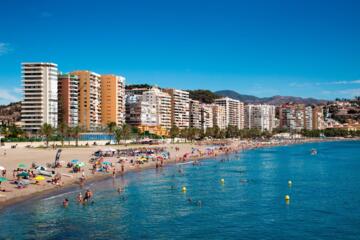
Example 2: Mediterranean South (Málaga area). A traveler plans a beach day after checking a daily forecast that looks warm. Hourly detail shows a higher chance of rain late afternoon, with sea-breeze gusts in the early evening. The traveler swims earlier, then shifts to a museum and a late dinner when the shower passes. The evening feels cooler than expected due to wind, so a light layer stays in the bag.
Coastal Checklist And Comparison
| Coastal Region | Typical October Feel | Weather Pattern to Watch | Packing Focus |
|---|---|---|---|
| North Atlantic (Galicia, Cantabria) | Cooler, often damp; wind can dominate comfort | Fog/low cloud and short showers | Wind layer, quick-dry clothes, grip footwear |
| Basque Coast (San Sebastián area) | Mild daytime; evenings cool with breeze | Cloud breaks mixed with brief rain | Light sweater, compact umbrella, scarf |
| Mediterranean East (Valencia, Catalonia) | Warmer afternoons; sea breeze shifts feel | Intermittent showers, clearing after storms | Breathable layers, light rain shell |
| Mediterranean South (Andalusia) | Often sunny; evenings can turn breezy | Short rain bursts and wind-driven cool-down | Light jacket, sunglasses, water-resistant shoes |
Step-by-step checklist for each day:
- Check the hourly forecast for wind gusts and precipitation timing.
- Plan beach or long walks for the clearest 3–5 hour window.
- Keep one indoor option within 20–30 minutes of your lodging.
- Pack a layer for after sunset; coastal wind changes comfort quickly.
- Re-check the forecast mid-morning if you’re making a last-minute route change (forecasts update, and the timing can shift).
Common Mistakes To Avoid
Relying on daily averages instead of hourly conditions is the most frequent planning error. A day can show a comfortable high temperature while wind and cloud cover reduce warmth, especially on promenades. Another mistake is assuming rain means a full washout; coastal showers often pass quickly, so rigid plans can waste good weather windows.
Travelers also overpack heavy coats for the Mediterranean coast and underpack wind layers for the Atlantic north. That mismatch leads to discomfort either from overheating indoors or from feeling chilled outside. If you’re staying near the water, remember that wind exposure differs between sheltered streets and open beaches.
Finally, people sometimes ignore fog and low cloud when choosing hiking routes. Reduced visibility can make navigation harder and increase slip risk on damp surfaces. If fog is present in the forecast, choose routes with clear wayfinding and avoid steep, exposed sections.
FAQ
Is the Mediterranean coast dry in October?
October often brings more dry spells than the Atlantic north, but rain still occurs in short bursts. Hourly forecasts help you time outdoor plans around brief showers.
Will the Atlantic north feel cold in October?
Daytime temperatures are usually mild, but wind and damp air can make it feel cooler. A wind-resistant layer and a warm top for evenings usually matter more than a heavy coat.
Can you swim in Spain in October?
Some coastal areas still have water warm enough for swimming, but conditions vary by region and by week. Wind can make it uncomfortable to stay out of the water after swimming.
How do I read coastal forecasts correctly?
Focus on hourly precipitation timing, wind speed and gusts, and cloud cover. Daily averages can hide the hours when comfort drops.
What should I pack for foggy coasts?
Pack quick-dry layers, a wind layer, and footwear with good grip. If you plan coastal walks, bring sunglasses or a cap for glare when clouds break.
Author's Insight
Coastal weather in October is driven by the contrast between still-warm seas and cooling air, plus the path of Atlantic low-pressure systems. That combination often produces mild afternoons with wind-driven evening cool-downs and intermittent showers. Forecasts work best when you read them by hour and pay attention to wind gusts, since “feels like” conditions can differ from the headline temperature. For planning, build flexibility into beach and hiking schedules and keep one indoor option nearby. If you’re crossing multiple coasts, treat each region as its own weather pattern rather than assuming one climate fits all.
Key Takeaways
- October coastal weather varies by region: Atlantic north tends to be cooler and cloudier; Mediterranean coasts often feel warmer but still see showers.
- Hourly forecasts for wind and rain timing beat daily averages for planning beach time and evening activities.
- Pack layers and a wind-resistant outer layer; coastal comfort often drops after sunset.
- Plan around short rain bursts with a nearby indoor backup, especially when forecasts show afternoon precipitation.